Published By BHF | October 23, 2026
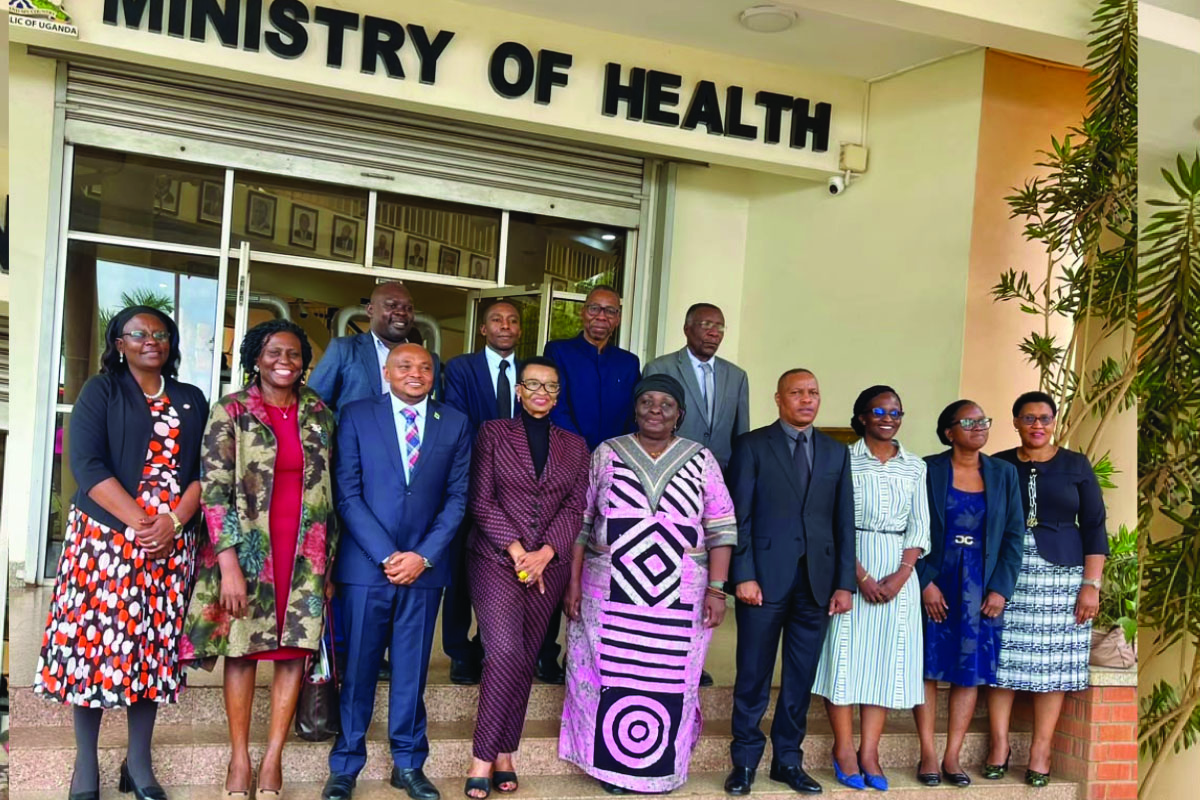
A high-level Tanzanian delegation is visiting eastern Uganda to examine how trusted local leaders, community investment and existing government institutions are being used in the fight against malaria.
IGANGA, UGANDA | 23 OCTOBER 2026
By: Tatumwa Desmond Benjamin
A malaria elimination initiative in eastern Uganda is attracting regional attention as a high-level delegation from Tanzania studies an approach that puts community leaders, local government and residents at the centre of disease prevention.
The three-day South–South benchmarking visit, from 22 to 24 October, focuses on the Busoga Malaria Eradication Programme (BMEP), coordinated by Busoga Health Forum (BHF) with government institutions and local communities. Its central idea is straightforward: make better use of the structures and resources communities already have.
The Ugandan team is led by H.E. Dr Speciosa Wandira Kazibwe, Senior Presidential Advisor on Population and Health and malaria champion, whose office provides strategic direction, stakeholder alignment and support for resource mobilisation.
The Tanzanian delegation is led by Dr Sunday Dominico, Technical Manager in the Secretariat of the African Union Champion for Maternal and Child Health. The delegation also includes H.E. Maj. Gen. Marco Elisha Gaguti, Tanzania’s High Commissioner to Uganda; Dr Sijenunu Aroan, Head of the Monitoring and Evaluation Unit for Malaria; and Engibert Kayombo, Information Officer in the Secretariat of the AU Champion for Maternal and Child Health.
The visit follows interest from Tanzania’s President Samia Suluhu Hassan in approaches that could accelerate malaria elimination and improve maternal and child health outcomes.
From government offices to village networks
The visit opened in Kampala on Thursday, 22 October, with a joint meeting bringing together representatives from Uganda’s Ministry of Local Government and Ministry of Health, two key government institutions whose responsibilities are closely interconnected in the delivery of public health services.
The meeting was attended by Mr Ben Kumumanya, Permanent Secretary, Ministry of Local Government; Hon. Justine Nameere Nsubuga, Minister of State for Local Government; and Hon. Anifa Kawooya Bangirana, Minister of State for Health in charge of General Duties. Discussions focused on the Busoga Malaria Eradication Programme, its scientific approach, reported outcomes, and the role of existing government structures in supporting malaria elimination.
The joint meeting was particularly significant in highlighting the importance of coordination between the two ministries. While the Ministry of Health provides technical leadership, policy direction and disease prevention strategies, the Ministry of Local Government supports the administrative structures through which health interventions reach communities. Bringing representatives of both ministries together reinforced the importance of linking national health priorities with district, sub-county and village-level implementation, a central principle of the Busoga Malaria Eradication Programme.
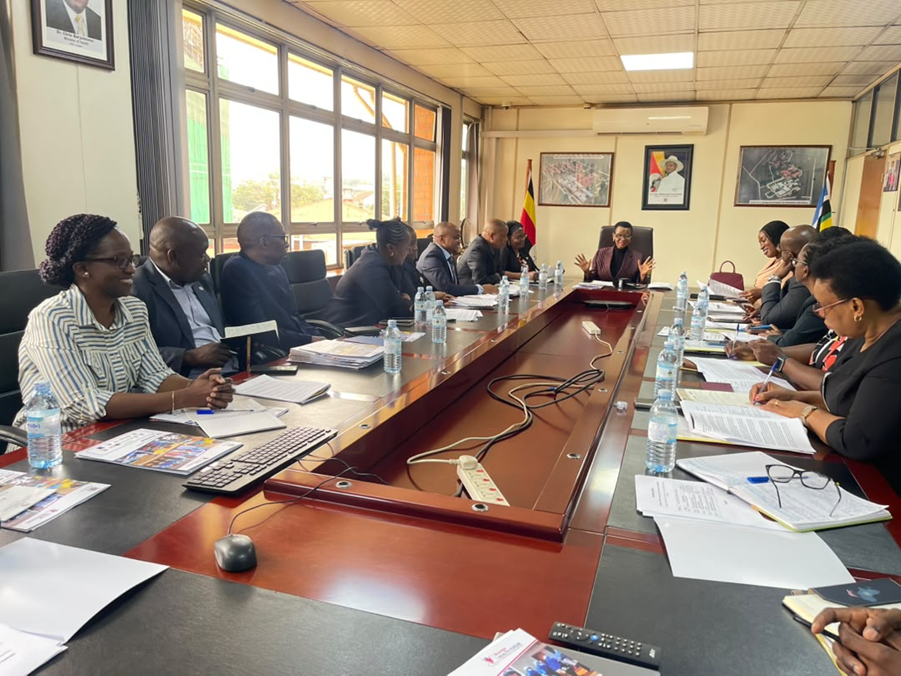
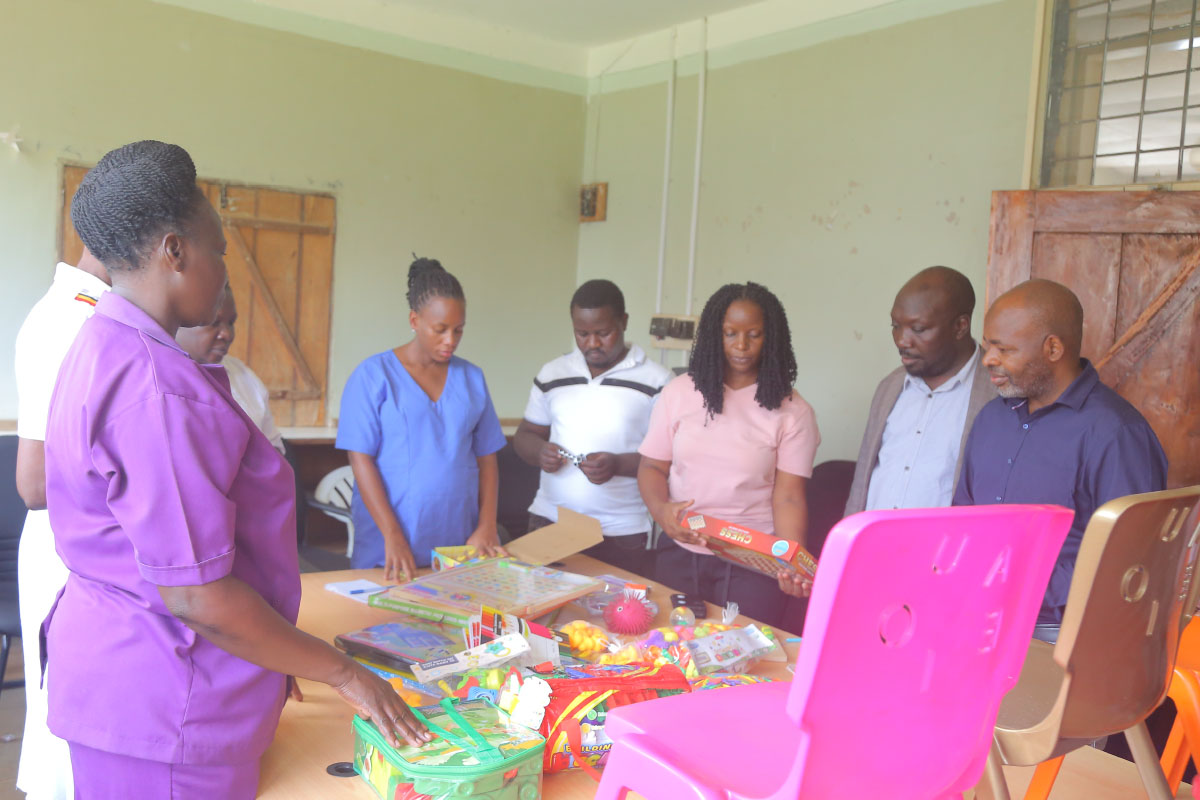
Ugandan and Tanzanian representatives take part in discussions at the Ministry of Health in Kampala.
Busoga Health Forum was represented by Board Vice Chairperson Dr Sheba Nakacubo Gitta, an epidemiologist and Uganda Country Director for Global Health Partnerships; Board Treasurer Dr James Batuuka, a public health and health-systems executive; and Executive Director Mr Moses Kyangwa. Their participation reflected BHF’s coordinating role between policy leadership, technical partners and communities.
What makes the Busoga approach different?
BMEP does not rely on building an entirely new network to reach people. Instead, it works through Uganda’s Local Council system, alongside women’s and youth councils, representatives of persons with disabilities, and religious and cultural leaders. These structures help mobilise households, coordinate field activities and sustain local accountability.
In Nawanyingi Sub-county, Iganga District, a 321-member Malaria Eradication Brigade was drawn from grassroots structures to support household mapping, mosquito-control activities, testing, treatment and community surveillance. According to BMEP records, voluntary participation reached 99%. Mobilisation through religious institutions was associated with a 31-percentage-point increase in participation within 48 hours.
The other distinctive element is financing. Rather than treating residents only as beneficiaries, the Nawanyingi Investment Forum invited them to contribute to the programme. BMEP records value the combined mobilisation at UGX 180 million: UGX 50 million from the community, UGX 77 million from social investors and UGX 53 million in volunteer contributions through BHF. Existing medicines, equipment and technical support were also mobilised across government health structures.
The reported results
In the pilot, teams mapped 6,955 households and enumerated approximately 35,600 people. Of 25,533 people tested for malaria, 8,342 tested positive for Plasmodium falciparum. Programme records indicate 8,294 were treated on site, while 48 people with symptoms of severe malaria were referred to health facilities.
BMEP combines indoor and outdoor residual spraying with testing, treatment and surveillance. It reports an 88.7% reduction in Anopheles mosquito density, while malaria test positivity at the Bunyiiro Health Centre III sentinel site fell from 90.3% to 9.7% over the assessment period. These are programme-reported findings; independent evaluation and longer-term monitoring will be important to establish whether they can be sustained and replicated elsewhere.
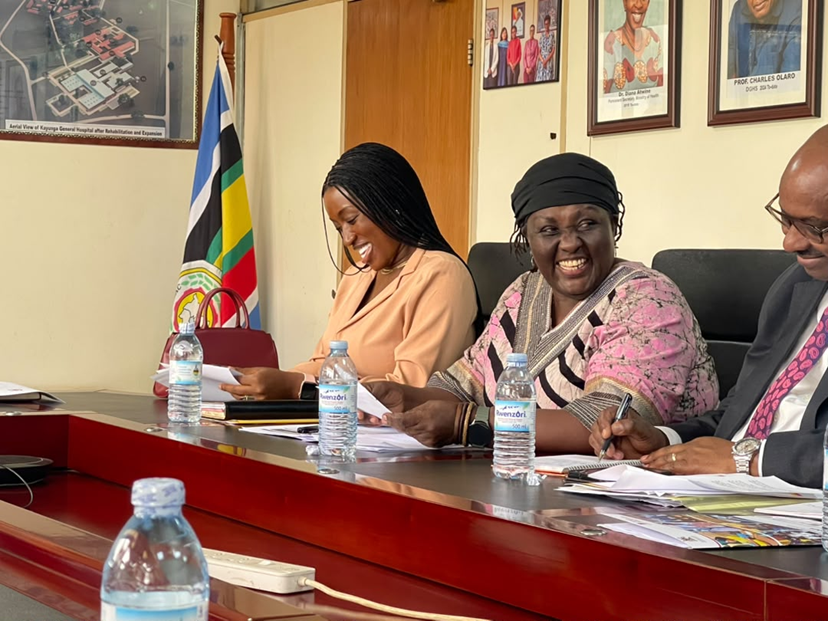
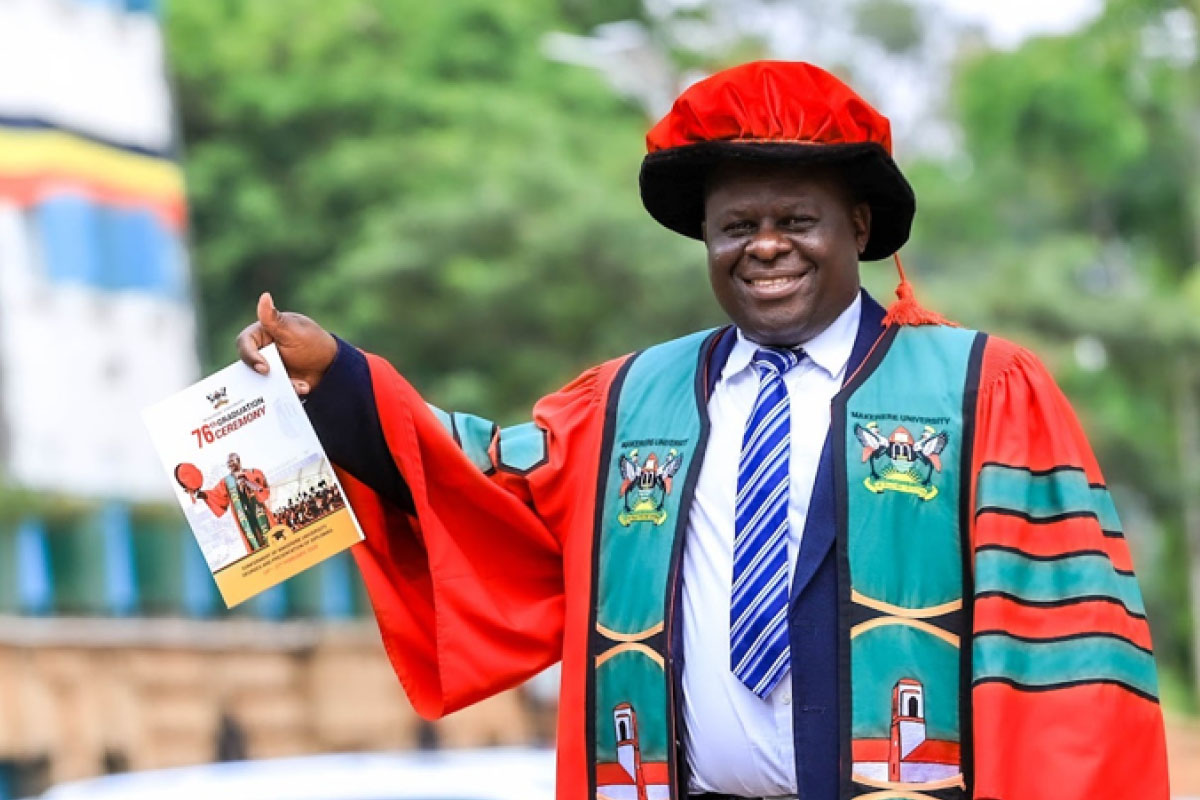
A moment during the Kampala engagement with the Ministry of Local Government, where officials discussed the role of local institutions in malaria elimination.
Learning in Iganga
On Friday, 23 October, the delegation’s scheduled programme moves into Iganga District. It includes a courtesy call at district local government offices, a household-mapping visit to Namundudi Village in Nakalama Sub-county, discussions with district leaders at Fort Lugard Hotel, and a visit to community surveillance activities in Bukonko Village, Nawanyingi Sub-county.
The field itinerary is designed to show how the programme operates beyond ministerial discussions: who mobilises neighbours, how households are reached, where local resources come from and how village-level surveillance can identify emerging risks.
A wider lesson for African health systems
The visit is an example of South-South cooperation, in which countries facing similar challenges exchange practical experience. For Tanzania, the question is not simply whether to adopt the same interventions, but which governance, financing, and community-engagement elements might work in its own context.
BMEP has also drawn wider continental interest. The Africa Centres for Disease Control and Prevention has invited the Office of the Senior Presidential Advisor on Population and Health to present findings at an upcoming maternal and child health conference in Addis Ababa.
For Busoga Health Forum, the visit marks international recognition of a local initiative. The bigger test will be whether its results withstand continued evaluation and whether the model can adapt to different communities. But the lesson being examined in Iganga is already clear: public health progress may depend not only on medicines and technology, but also on the people, institutions, and relationships that make action possible.