Malaria Eradication Program
What is the Busoga Malaria Eradication Programme (BMEP)?
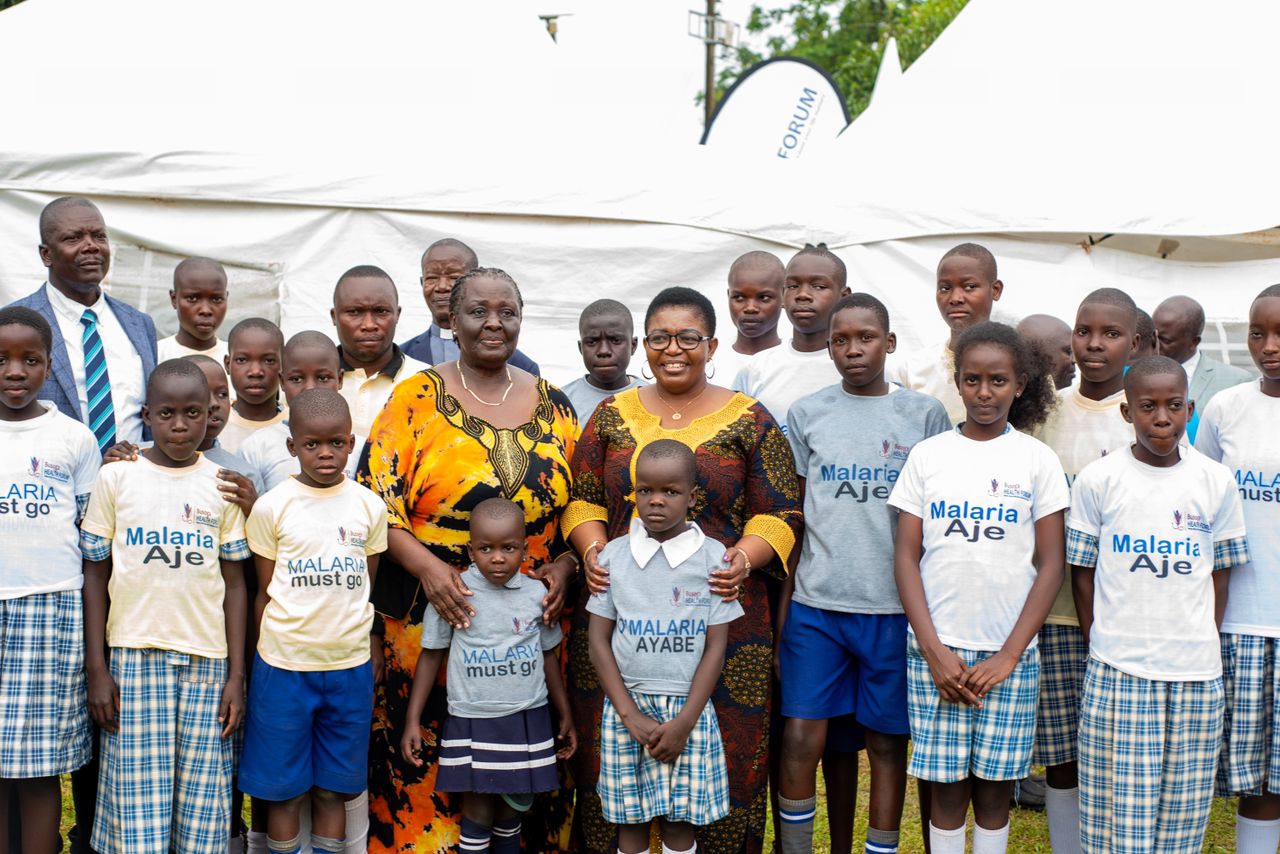
The Busoga Malaria Eradication Programme (BMEP) is a community-led, multisectoral model pioneered by Busoga Health Forum to eliminate malaria while addressing the poverty and socioeconomic conditions that perpetuate poor health.
The model recognises that malaria elimination requires more than treating people when they fall sick. Many people live with malaria infections without knowing it, while others only seek care when symptoms become severe. BMEP therefore takes a proactive approach, prioritising early household surveillance, mapping, timely testing and treatment, mosquito control and sustained community action.
Importantly, BMEP recognises that malaria is both a public health and development challenge. It connects malaria elimination with household economic empowerment, sustainable livelihoods, local resource mobilisation and community-led development to break the cycle of disease and poverty.
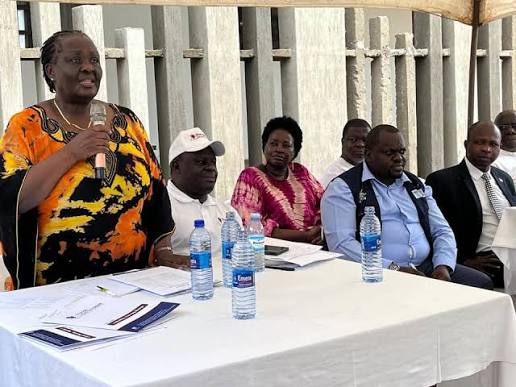
Africa’s First Woman Vice-President & Busoga Malaria Eradication Champion
A daughter of Busoga, Dr. Specioza Wandira Kazibwe made history in 1994 when she became the first woman in Africa to serve as Vice-President of a sovereign nation, serving Uganda until 2003.A medical doctor, surgeon and distinguished African leader, she continues to champion health and community development through her engagement and leadership with Busoga Health Forum.
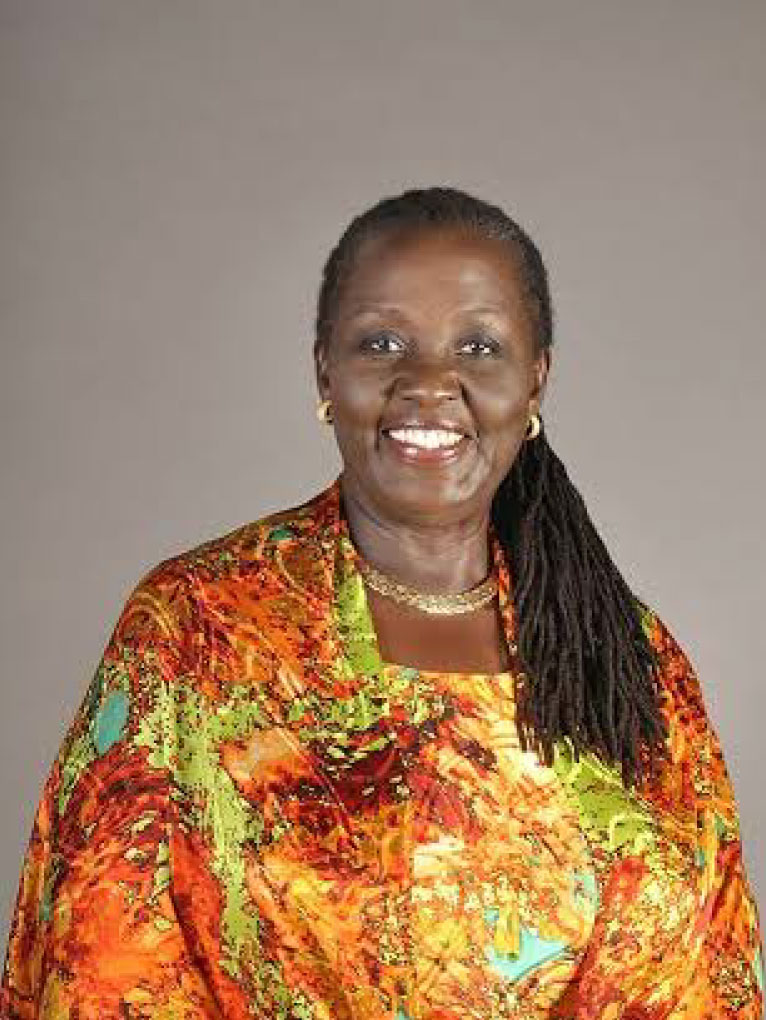
As the Forum’s Malaria Eradication Champion, Dr. Kazibwe is providing leadership to an ambitious vision of eliminating malaria while addressing the poverty and socioeconomic challenges that undermine household health and productivity.
Through the Busoga Malaria Eradication Programme (BMEP), she champions a shift from treating malaria as a disease managed primarily in health facilities to making its elimination a shared responsibility of households, communities, local governments and national institutions.
Her leadership has been instrumental in advancing Busoga's malaria eradication agenda, mobilising collective commitment towards a malaria-free region.
Our Malaria Eradication Model

Community Investment Groups
Communities pool savings and invest in local solutions, so the programme is owned and sustained by the people it serves.

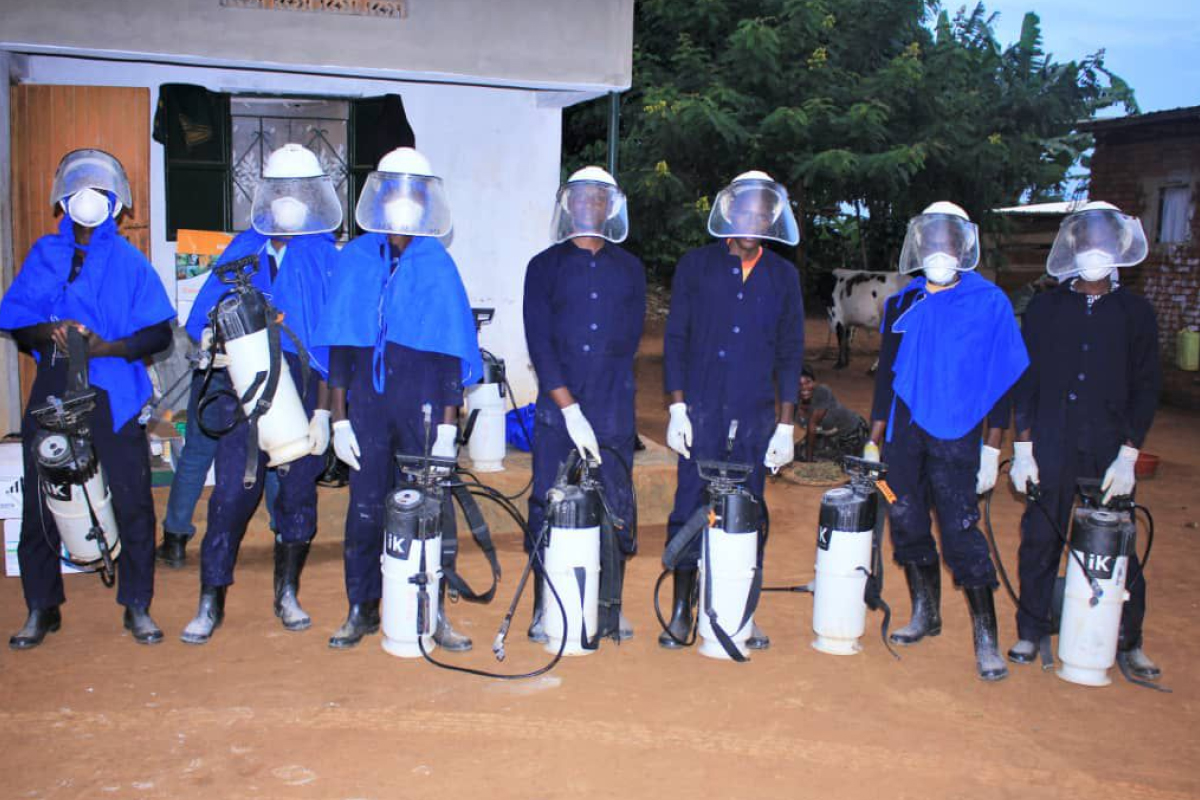
Indoor & Outdoor Residual Spraying
Trained teams spray homes and surroundings to reduce mosquito numbers where people live.

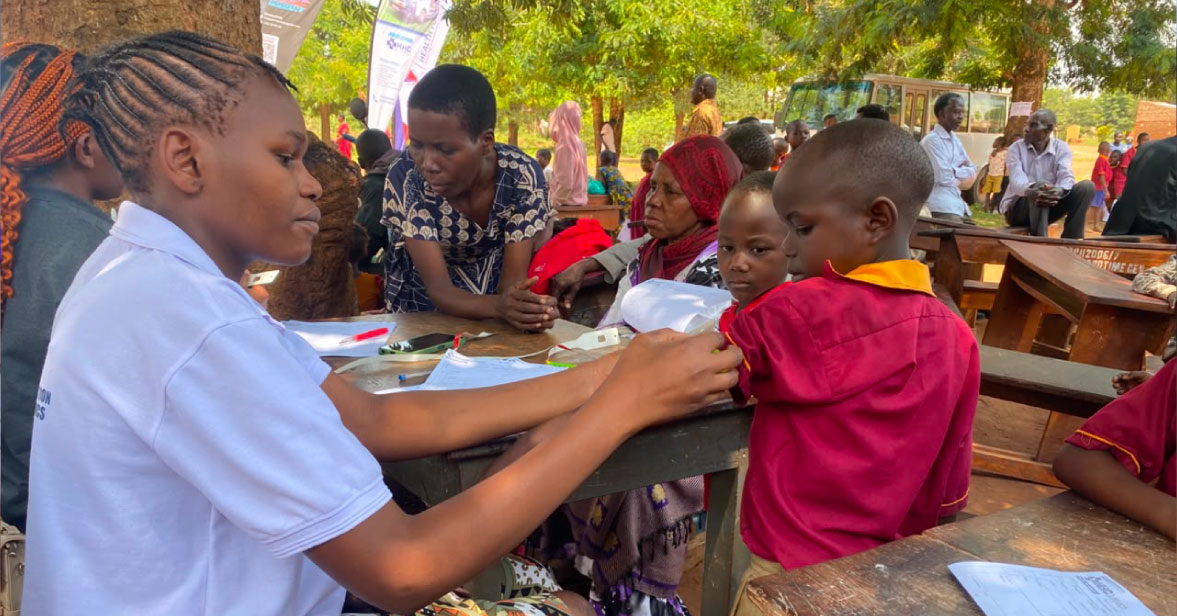
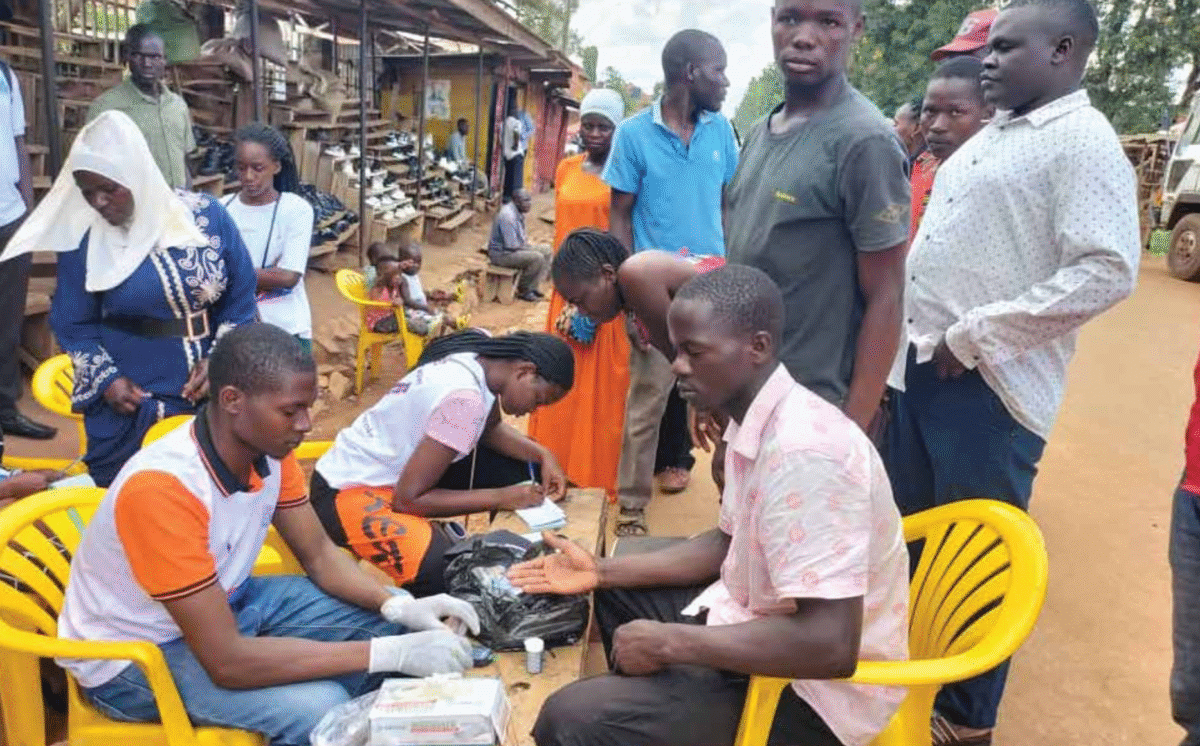
Test & Treat
Community health workers test for malaria and treat positive cases quickly, close to home.

Surveillance
We track malaria cases and mosquito numbers so the programme can respond to what the data shows.
What Makes BMEP Unique?
BMEP brings together community-led health interventions, economic empowerment and local development in an integrated approach to malaria elimination. Its distinctive strength lies in addressing not only the disease itself, but also the underlying conditions that sustain transmission, while building community ownership and pathways for long-term impact.
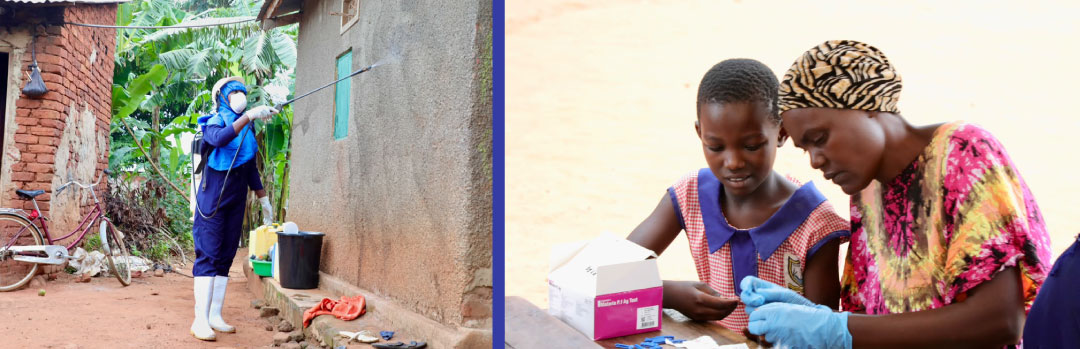
Nawanyingi Pilot, Iganga
The Nawanyingi pilot in Iganga District has demonstrated measurable progress:
From Busoga to National and Regional Adoption
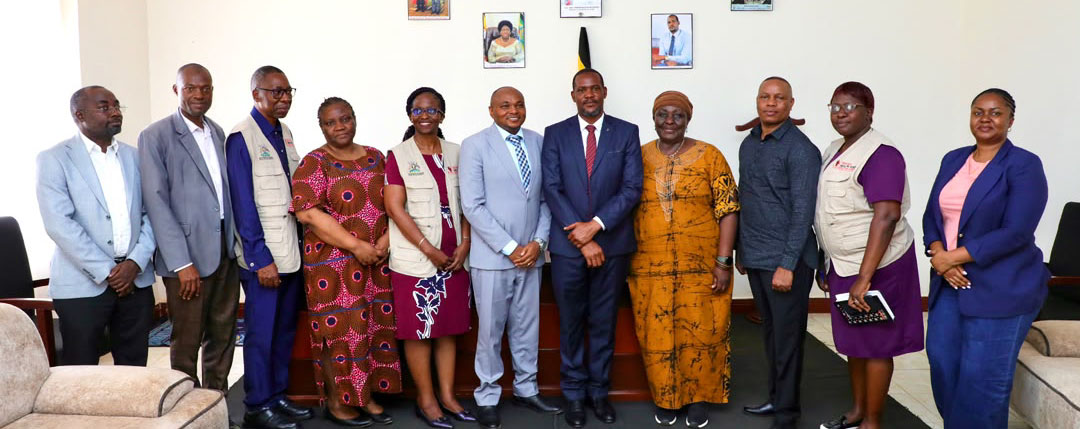
The Busoga Malaria Eradication Programme is gaining momentum as a model with potential for wider adoption. In Uganda, efforts are underway to integrate its approaches into government programming, working with the Ministry of Health, Ministry of Local Government and the National Planning Authority. The aim is to embed malaria elimination within local government planning, budgeting and Local Economic Development programmes, beginning in Busoga and progressively extending across the country.
The model is also attracting regional attention. In October 2026, a high-level delegation from Tanzania visited Busoga to benchmark BMEP and learn from its community-led malaria surveillance and elimination approach.
The delegation included Dr. Sunday Dominico, Technical Manager in the Secretariat of the African Union Champion for Maternal and Child Health; Maj. Gen. Marcos Elisha Gaguti, Tanzania’s High Commissioner to Uganda; and Dr. Aaron Sijenunu, alongside other technical officials.
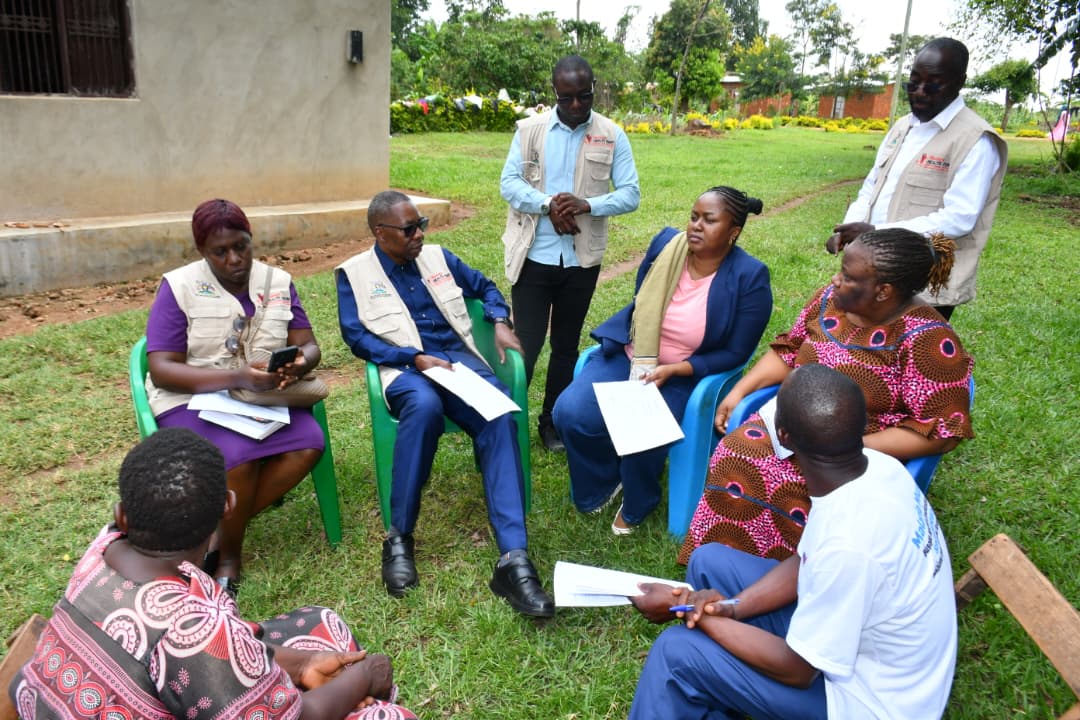
During the visit, the delegation toured Namundudi C Village in Nakalama Sub-county and Bukonko Village in Magogo Parish, Nawanyingi Sub-county, where they observed household mapping, health education and continuous follow-up by community health workers.
The engagement demonstrates growing regional interest in learning from and adapting the Busoga experience, positioning BMEP as a potential model for community-led malaria elimination across East Africa.
What makes BMEP different?
Early detection and prevention
Taking malaria surveillance beyond health facilities to households and communities, identifying infections and transmission risks early.
Health and poverty reduction
Addressing the socioeconomic conditions that make households vulnerable to malaria while promoting economic empowerment and sustainable livelihoods.
Community ownership
Mobilising households, local leaders, Village Health Teams, women and youth to take collective responsibility for malaria elimination.
Health as a development priority
Integrating malaria elimination into local government planning, community investment and local economic development.
A pathway to institutional scale
Working through existing community and government structures to support sustainability, local ownership and wider adoption.