A community-led drive towards a malaria-free Busoga
Malaria elimination requires more than individual interventions. It calls for coordinated action across households, schools, communities and health services.
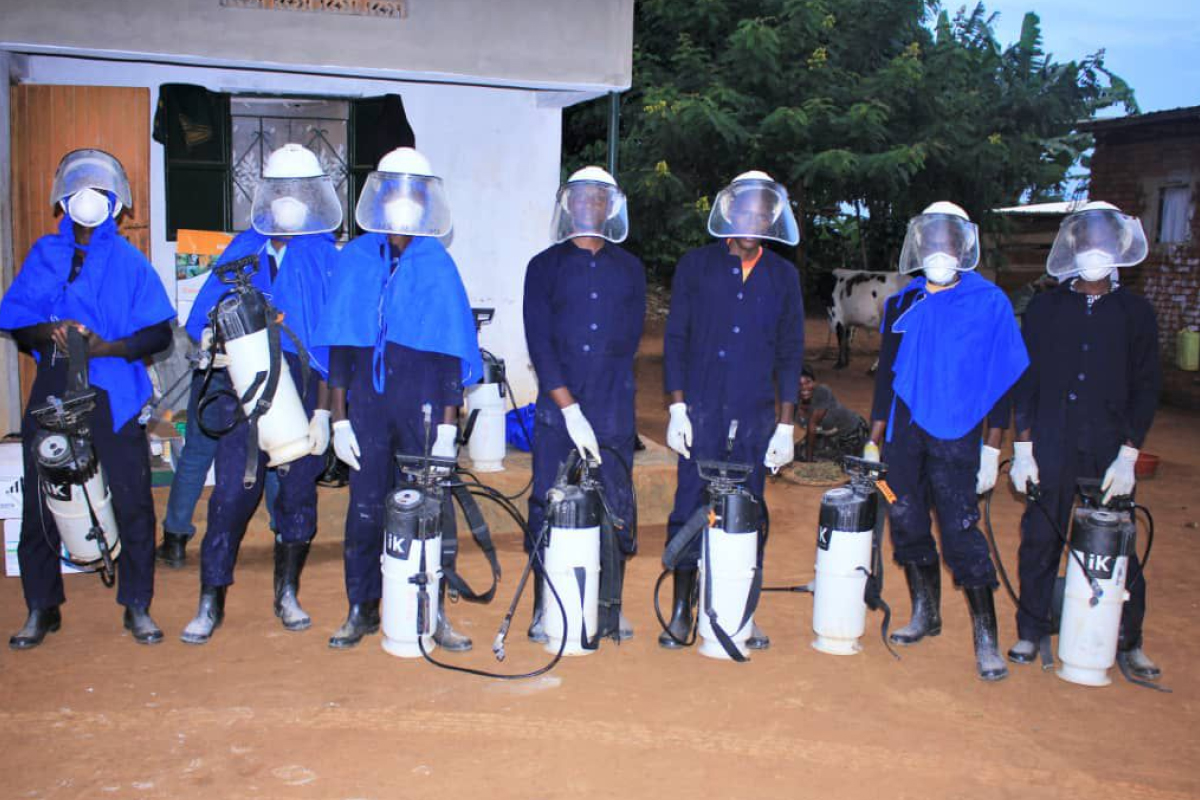
The Busoga Malaria Eradication Program brings these elements together through an integrated approach that combines community mobilisation, mosquito control, malaria testing and treatment, and ongoing surveillance. The programme places local participation at the centre of the response, recognising that lasting progress depends on communities being active partners in protecting their health.
Evidence of progress
The Nawanyingi pilot demonstrated the potential of an integrated, community-led approach. The pilot covered 6,955 households and 19 schools, with 25,533 people tested. Of 8,342 people who tested positive, 8,294 received treatment. Malaria positivity at Bunyiiro Health Centre III declined from 90.3% to 9.7% during the reported pilot period. These are pilot findings, not evidence that malaria has been eliminated across Busoga.
Where partnership can accelerate progress
BHF welcomes engagement from malaria-control institutions, research organisations, public health specialists, funders and technology partners interested in strengthening implementation, surveillance, diagnostics, community participation and programme evaluation.
The learning from this work can also inform the assessment and adaptation of integrated malaria-control approaches in other affected communities.